-
Menü
- Help Center
- Seating + Positioning
- smilla.
- madita.
- madita-fun.
- madita-fun mini.
- maxi.
- activity chair.
- tina.
- Transport + Travelling
- marie integral.
- charlie integral.
- franka.
- Walking + Cycling
- malte.
- malte outdoor.
- marcy.
- dynamic pacer.
- momo tricycle.
- follow-me momo.
- momo motion.
- momo therapy bicycle.
- rifton tricycle.
- mats.
- Standing + Transfer
- trixi.
- till.
- todd.
- tim.
- rifton stander.
- Bathroom + Toilet
- boris.
- hts.
- wave.
- basti.
- bibi.
- News
- News Archive
- FAQ
- For families.
- For medical supply stores.
- For healthcare professionals.
- For funding bodies.
- Contact Person
- Sales Partners


-
Products
-
Products
Products
-
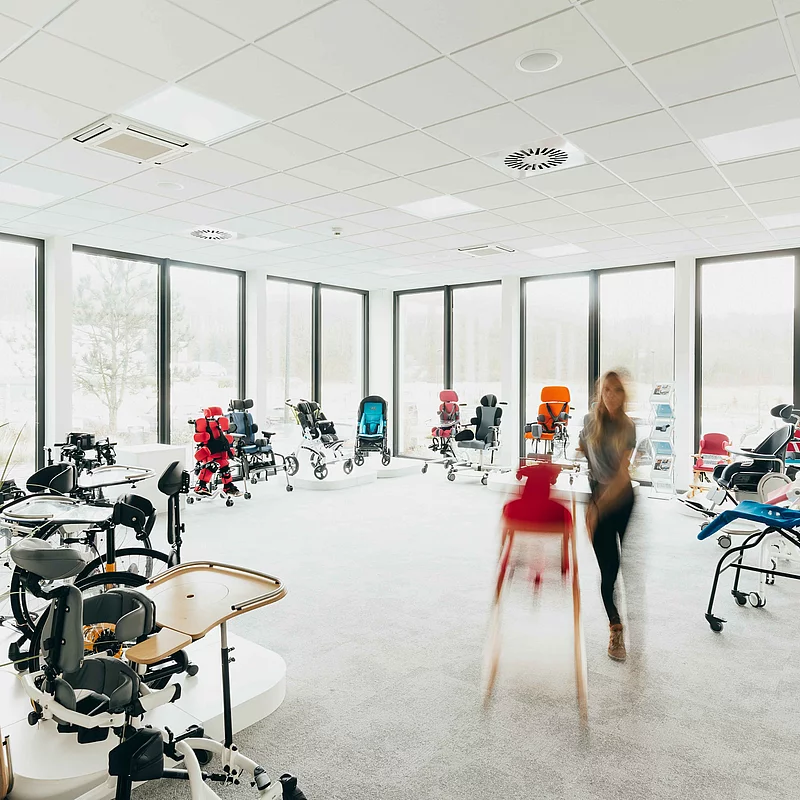
Seating + Positioning
Seating + Positioning
-
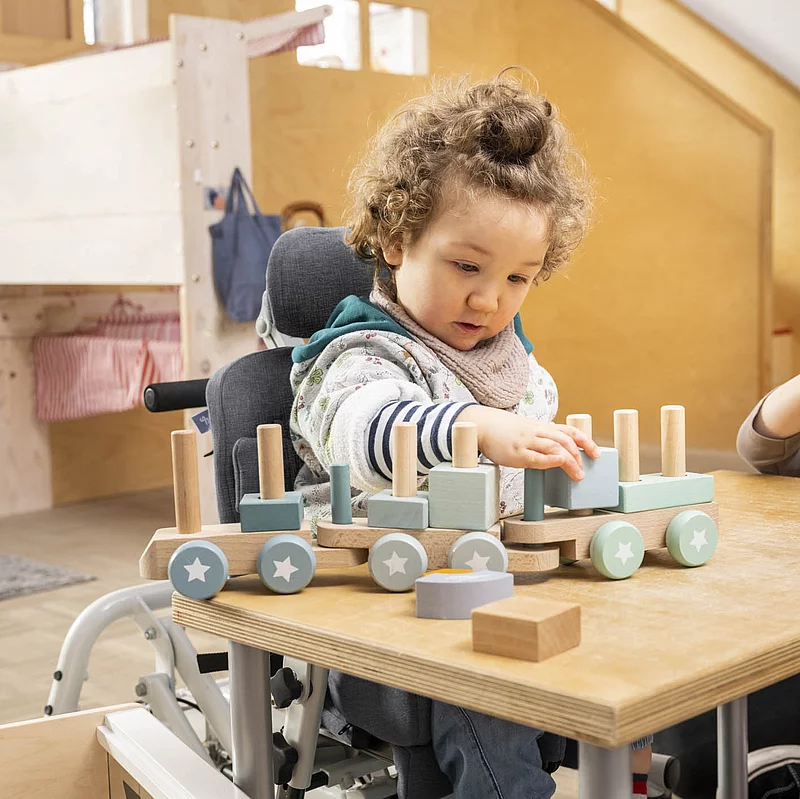
Transport + Travelling
Transport + Travelling
-
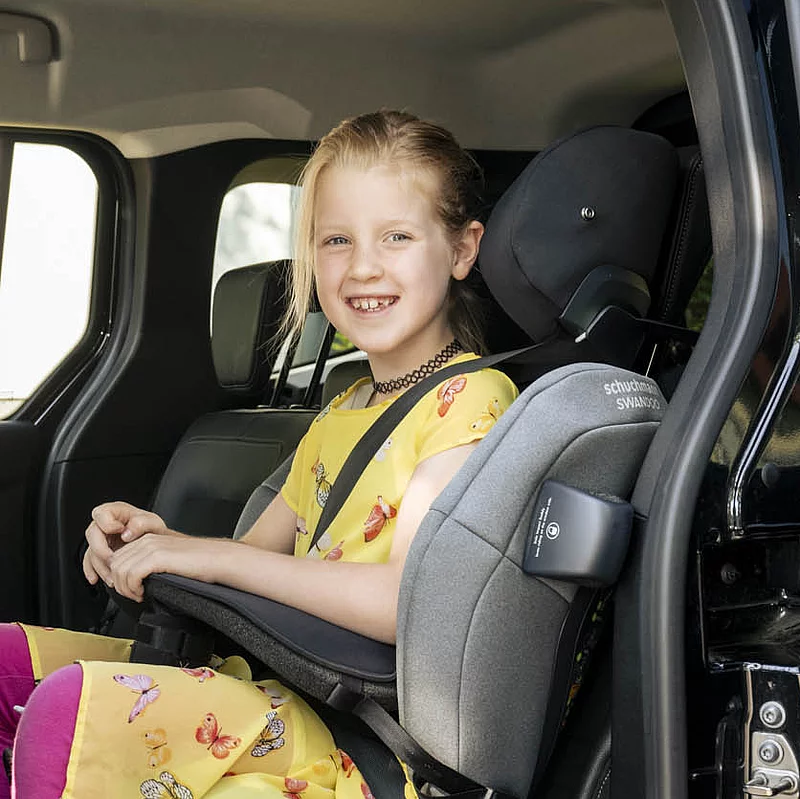
Walking + Cycling
Walking + Cycling

-
Standing + Transfer
Standing + Transfer

-
Bathroom + Toilet
Bathroom + Toilet
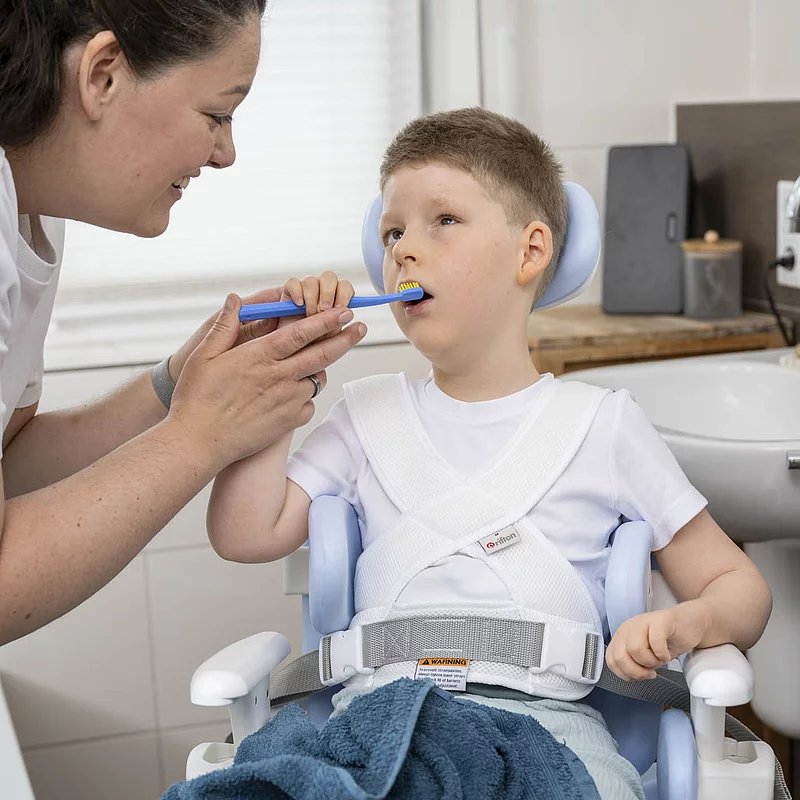
-
smilla.
smilla.
Ready at all times.
I promote active sitting and thus support your development.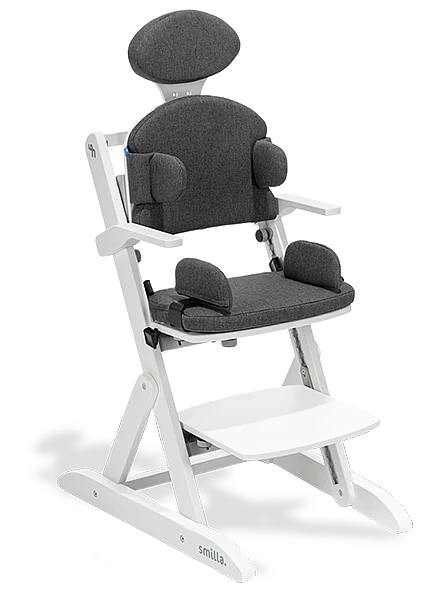
-
madita.
madita.
A supporting role.
I grow with you and I really love accompanying you as a small child or adolescent.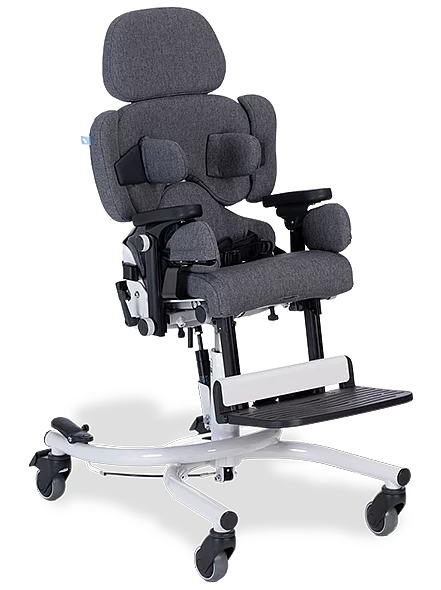
-
madita-fun.
madita-fun.
Always ready for some fun.
Whether at the breakfast table or in the play corner, I will place you on a level with your friends.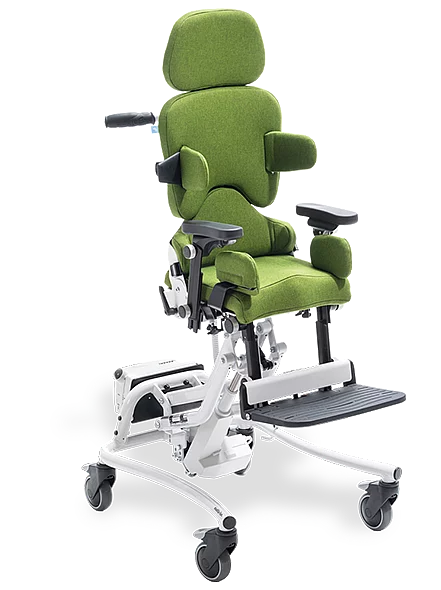
-
madita-fun mini.
madita-fun mini.
Small, but impressive.
I am the therapy chair for when you are young, and give you security from the start.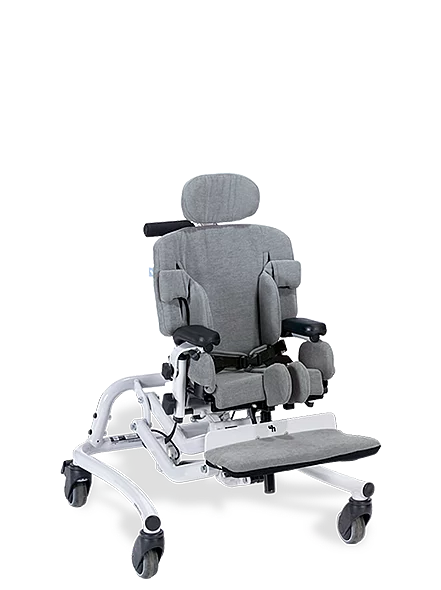
-
maxi.
maxi.
Great sitting experience.
I am your daily companion for schoolwork or reading lessons: I make sure that you always sit perfectly.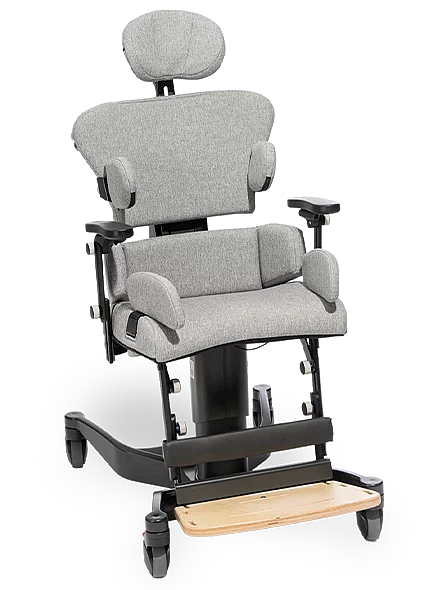
-
activity chair.
activity chair.
Simply moving.
I can tilt forwards or backwards, up or down – as dynamically as you require.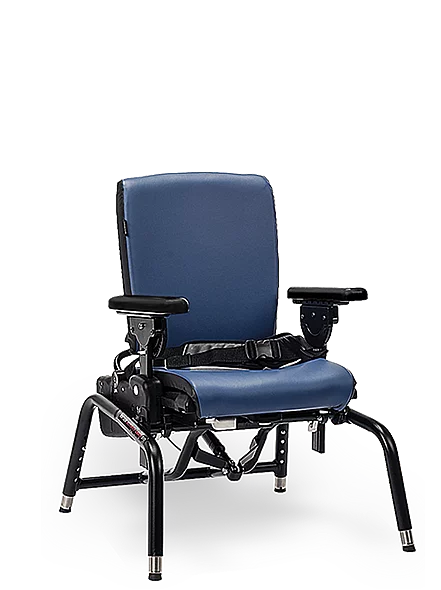
-
tina.
tina.
Always recline correctly.
I am your modular cradle system and I‘ll make it as comfortable as possible for you.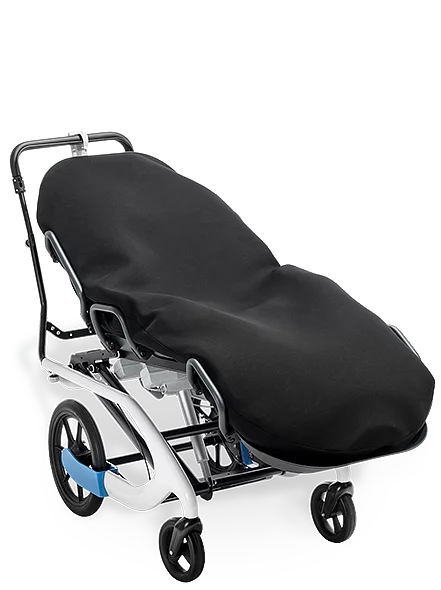
-
marie integral.
marie integral.
Safely ahead!
I am your safe companion on the go and your best friend for relaxed journeys.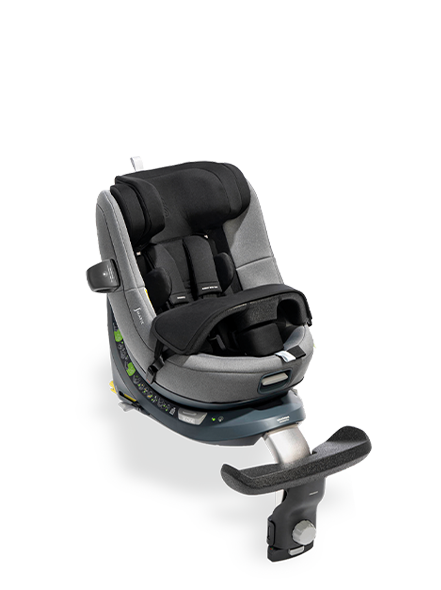
-
charlie integral.
charlie integral.
Relax and enjoy the ride!
I am your cool car seat right up to your teenage years and help you to become more independent.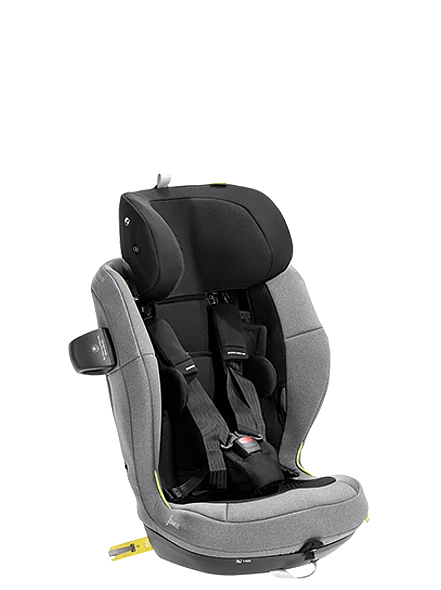
-
franka.
franka.
Adapts to suit your lifestyle.
I am your universal seat pan sub-frame and I carry you in almost all conventional seat pans.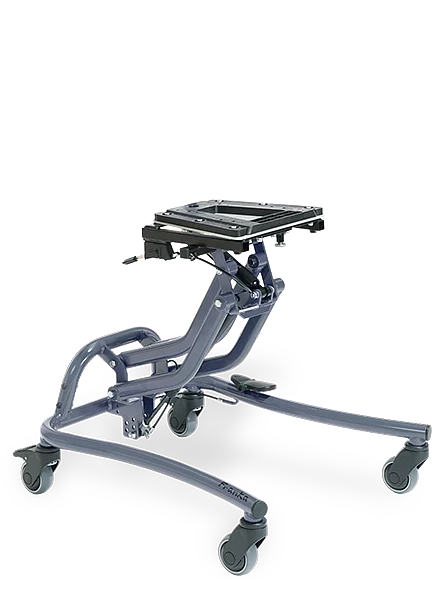
-
malte.
malte.
Smooth-running.
I am your versatile posterior walking aid and I am always there for you.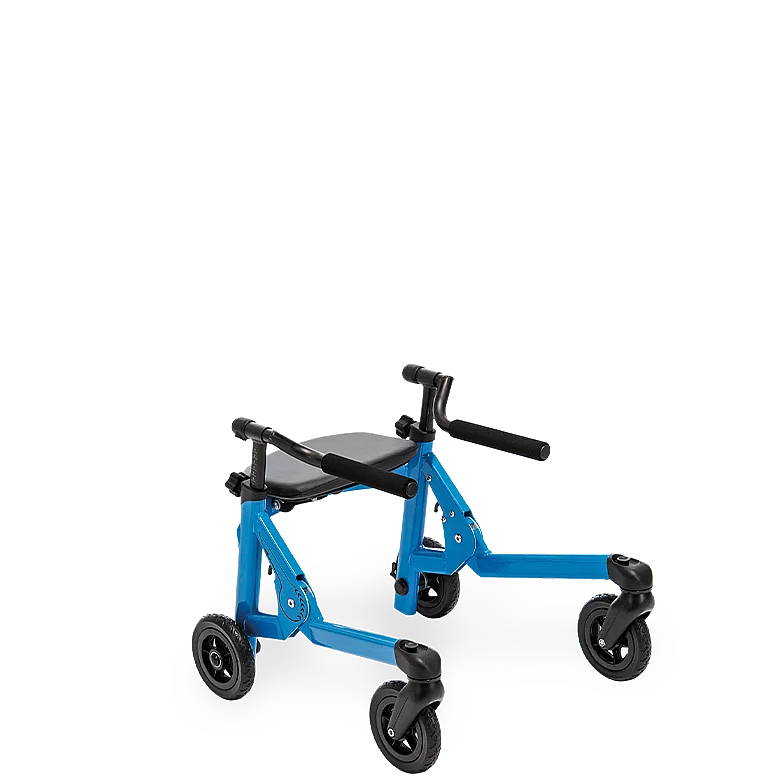
-
malte outdoor.
malte outdoor.
More action for outdoors.
I am your outdoor posterior walking aid and I am happiest outdoors.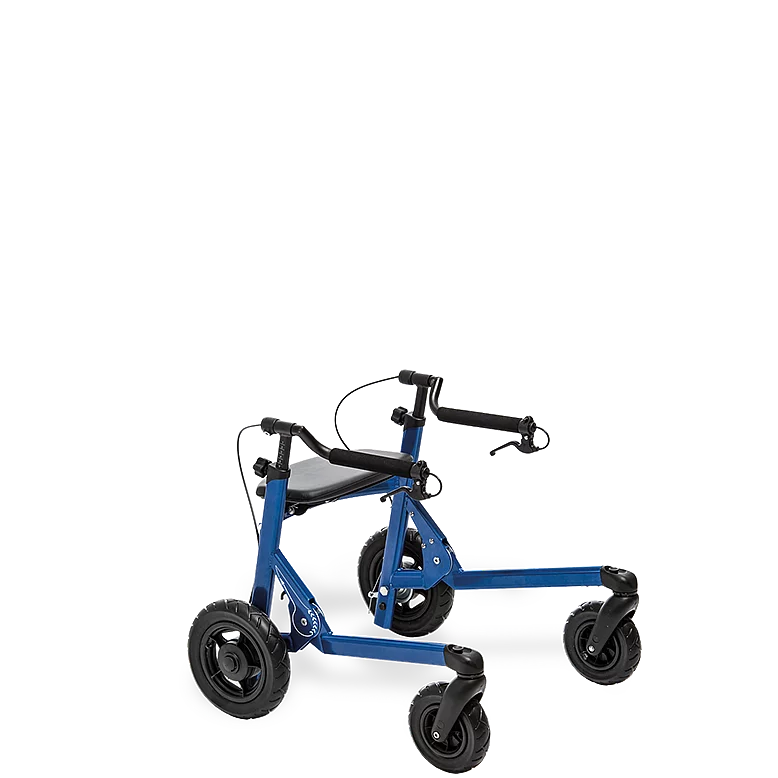
-
marcy.
marcy.
There for you from the start.
I am your anterior walking aid, and will assist you in your very first attempts to walk.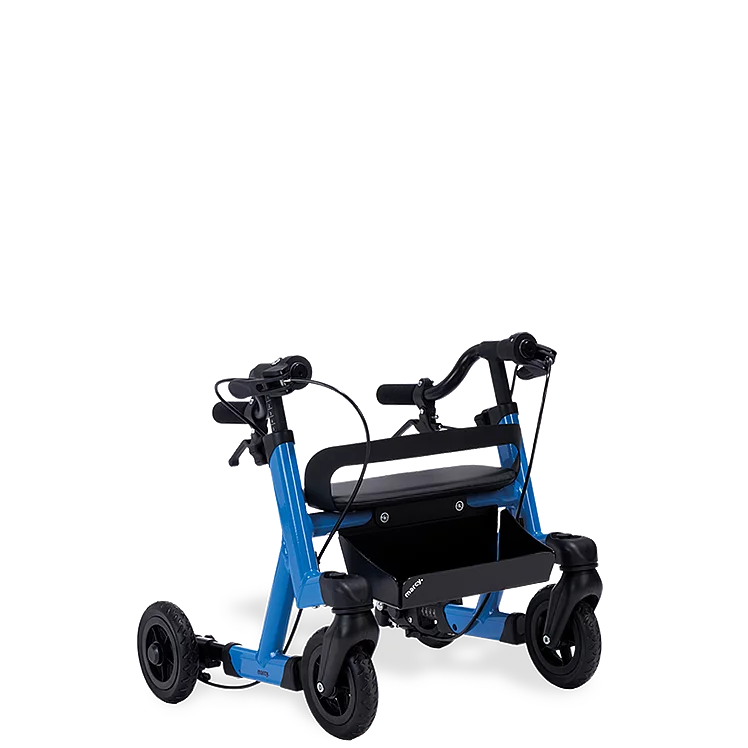
-
dynamic pacer.
dynamic pacer.
Ready, set, go!
I am your dynamic walking trainer and always move along with you.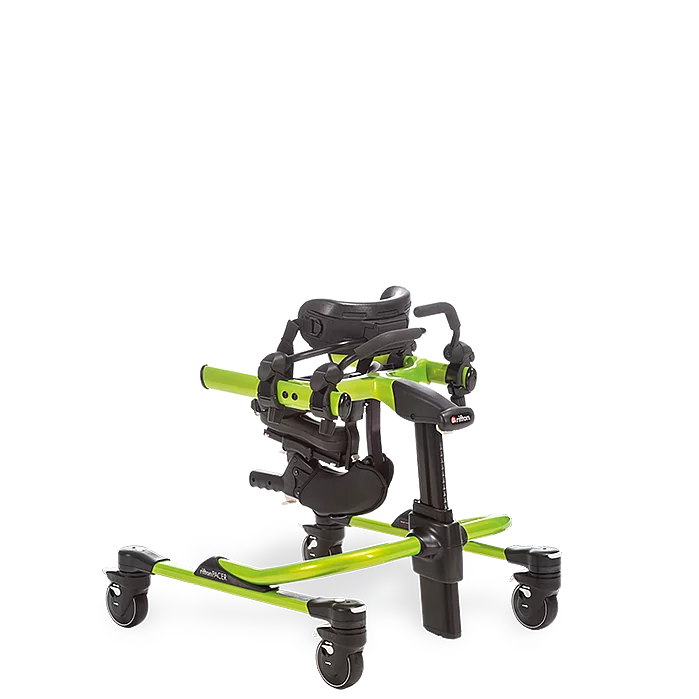
-
momo tricycle.
momo tricycle.
Let’s go for a little ride.
I am your cool tricycle and can be there for you whenever you want to take a ride around your streets or a lake.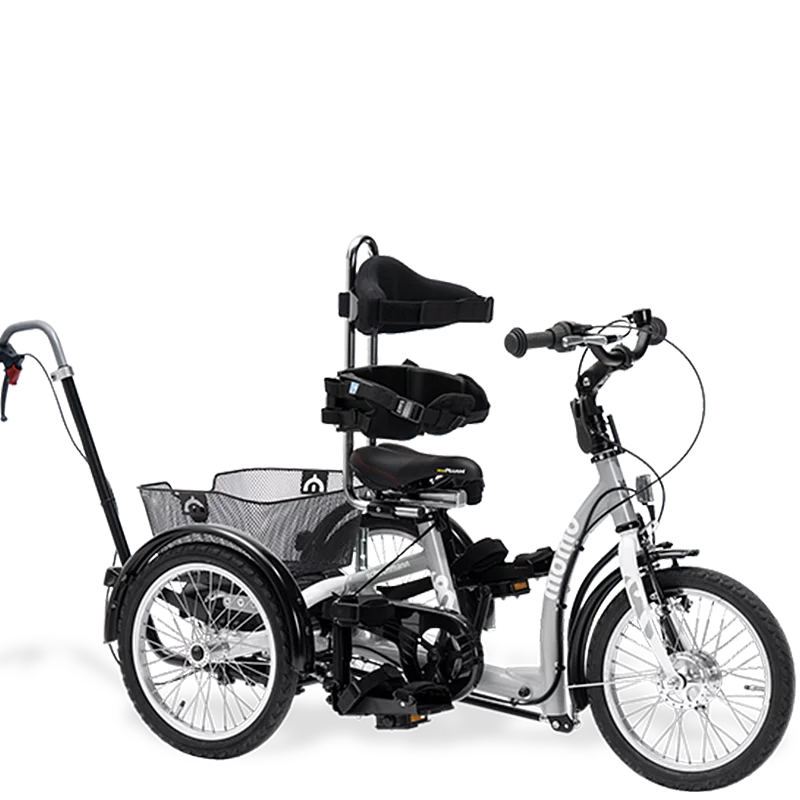
-
follow-me momo.
follow-me momo.
Follow me right to the sea!
I am your clever parent-child tandem coupling for your momo tricycle.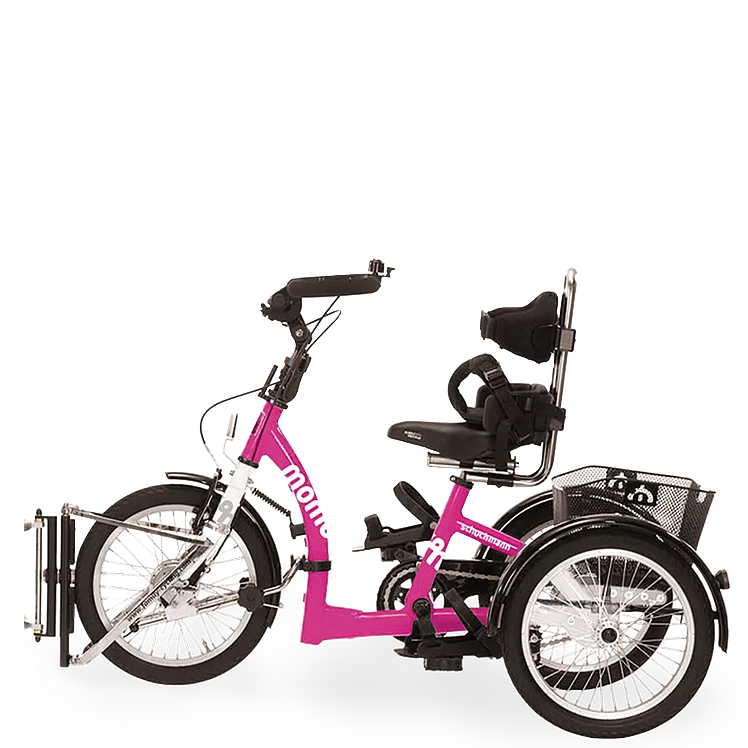
-
momo motion.
momo motion.
For extra support.
I am your tried-and-tested tricycle with E-drive and support you when you start to get tired.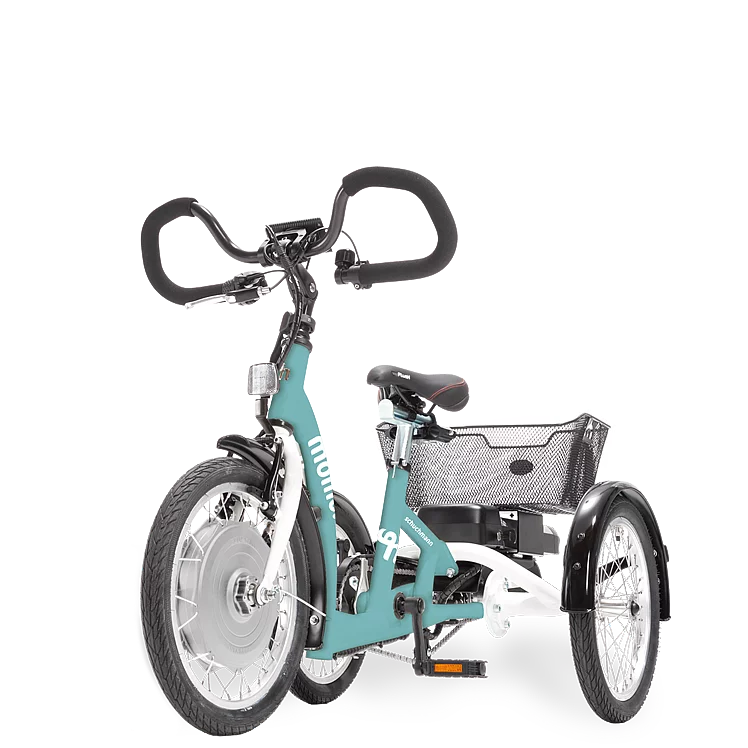
-
momo therapy bicycle.
momo therapy bicycle.
Firmly in the saddle.
I am your therapy bicycle for more balance and I am there for you if the pleasant weather tempts you to take a trip.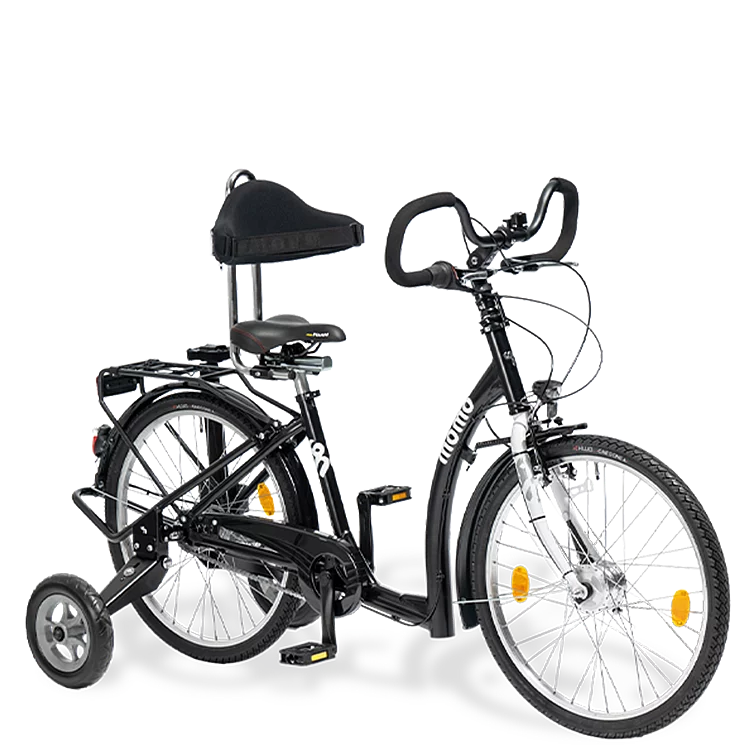
-
rifton tricycle.
rifton tricycle.
A hit both indoors and outdoors.
I am your optimised tricycle and all my adjustments can be made without tools.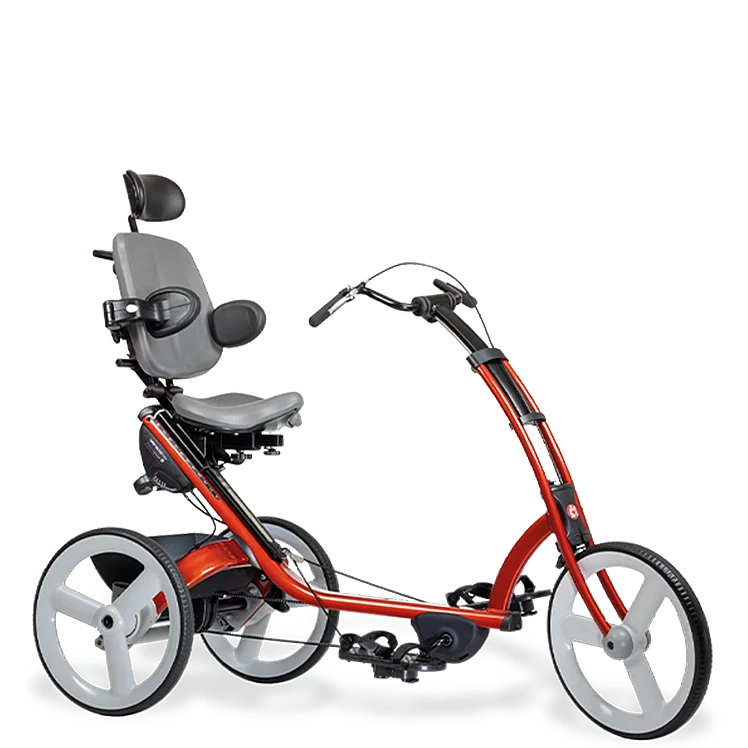
-
mats.
mats.
Friends for life.
I am your faithful recumbent trike that grows with you and a friend for life.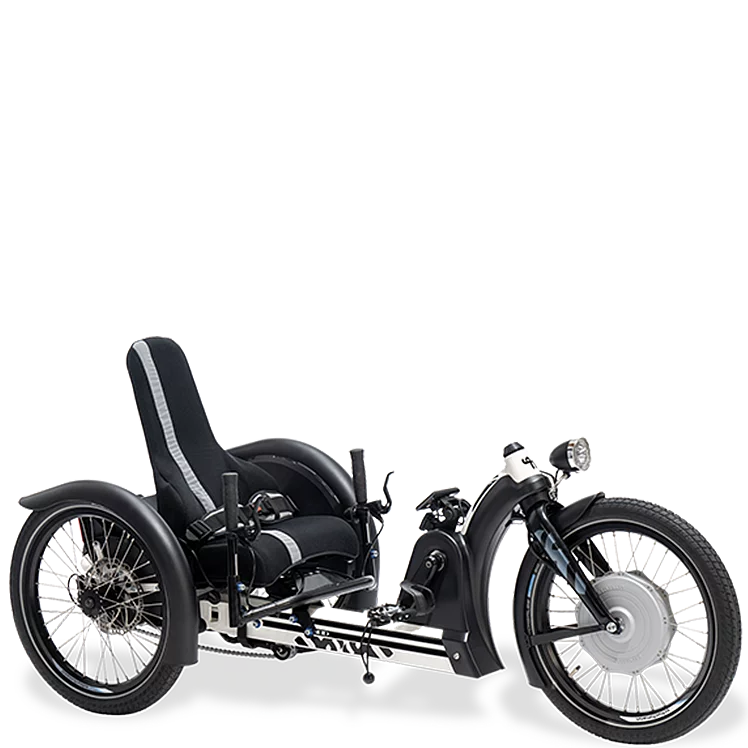
-
trixi.
trixi.
Gives you flexibility.
I am your dynamic standing trainer. With me, you can comfortably explore your full range of movement.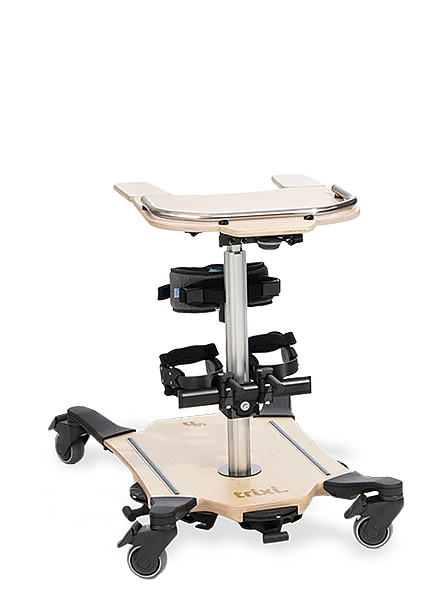
-
till.
till.
Positions you well.
I am your adaptable supine standing frame and conform precisely to the contours of your body.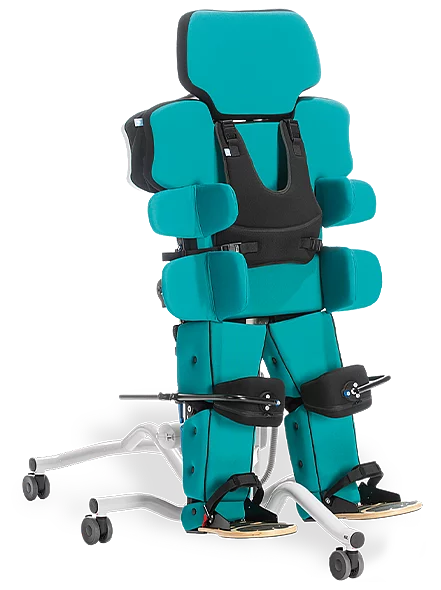
-
todd.
todd.
Looks good on you.
I am your manoeuvrable standing trainer. Using me, you can practice standing on your own two legs.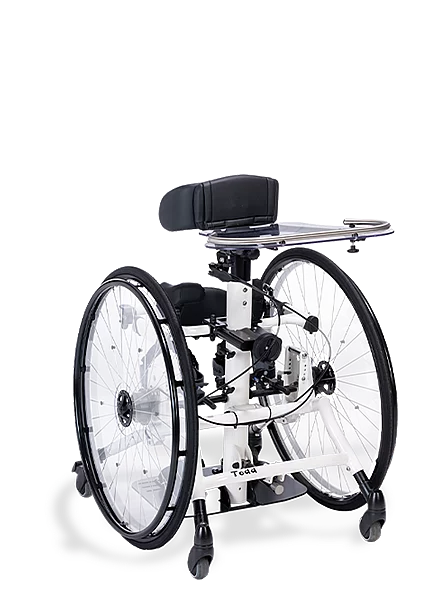
-
tim.
tim.
Stand up for yourself.
I am your personal standing trainer. Using me, you can practice standing on your own two feet.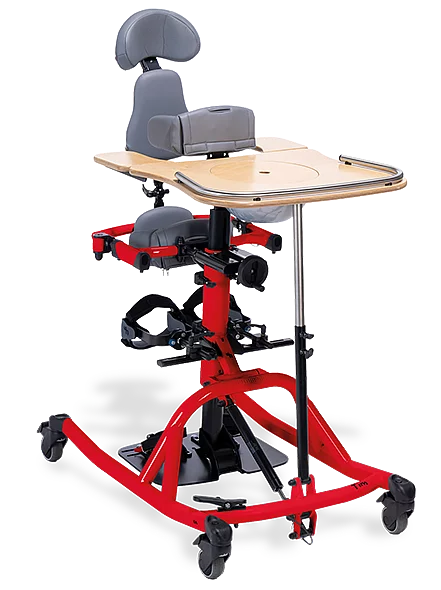
-
rifton stander.
rifton stander.
Really extensive.
I am your versatile companion because with me you get support from the front or from behind.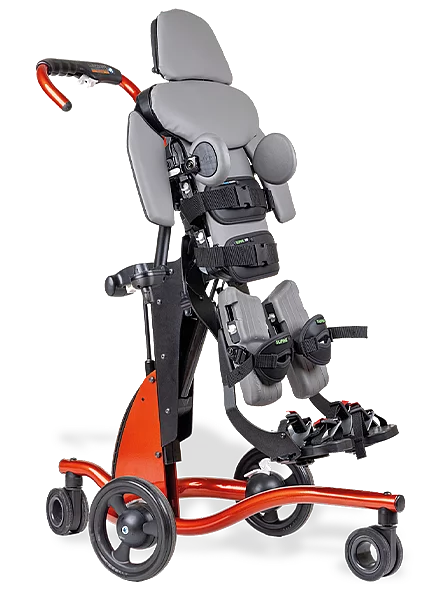
-
boris.
boris.
As clean as can be.
I am your comfortable shower and toilet stool. My anatomically shaped seat surface gives you the required support.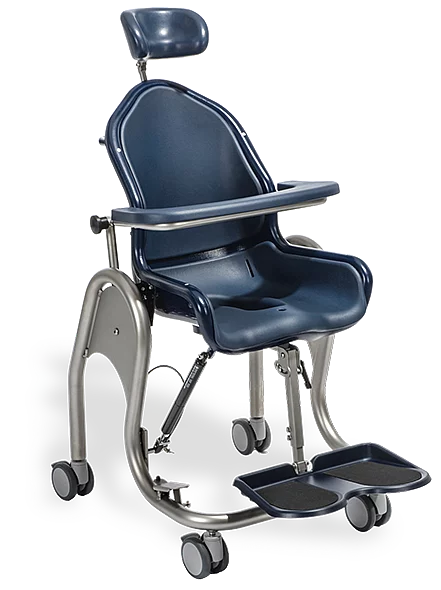
-
hts.
hts.
Very easy to care for.
I am your shower and toilet stool, and a real water fan!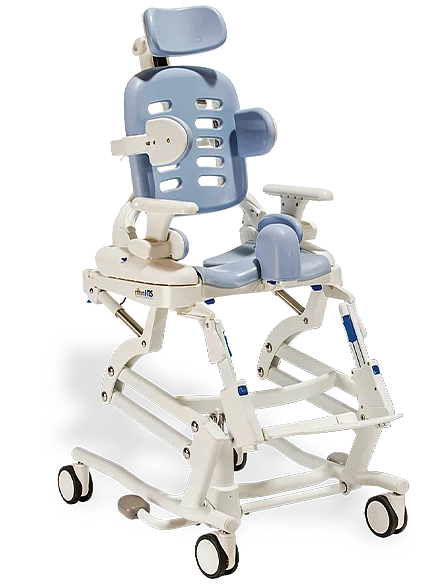
-
wave.
wave.
On the same wavelength.
I am your universal bathing and shower bench and you can relax beautifully on my comfortable seating surface.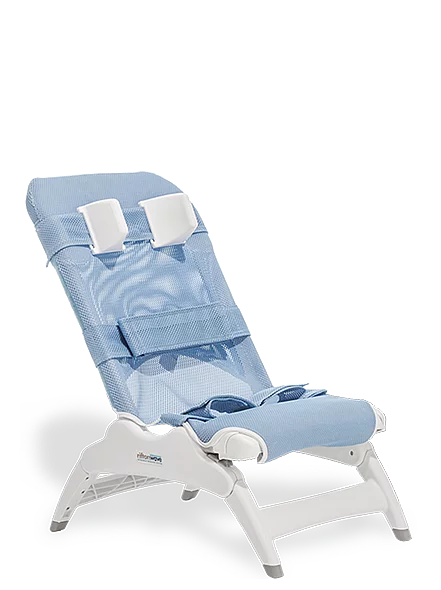
-
basti.
basti.
The clever way to wash.
I am your versatile bathing and shower bench and I will adapt completely to your requirements.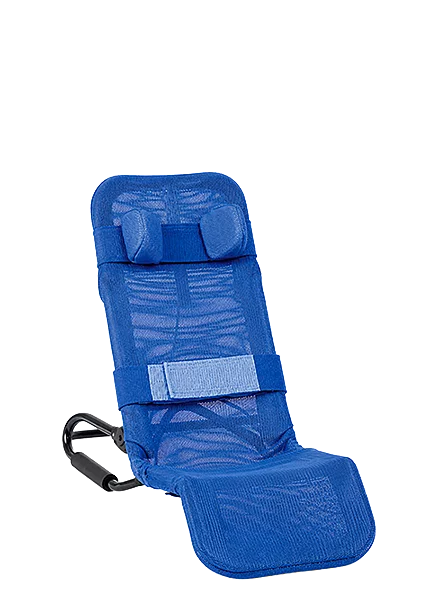
-
bibi.
bibi.
Take me with you.
I am your mobile bathing seat and I would really love to go bathing with you.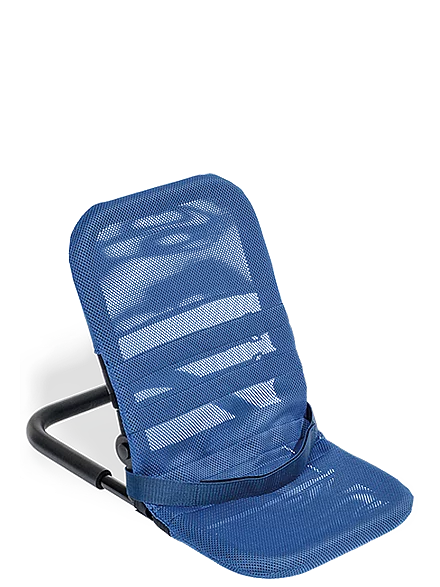
-
Products
-
Company
- Knowledge
-
Contact
-
Contact
Contact
Du hast Fragen? Meld dich gern.
Find your Schuchmann contact, get personal advice on rehab equipment or search for a local sales partner to support you with the right solution.
-
Contact Person
Contact Person
-
Sales Partners
Sales Partners

-
Contact
- Help Center