

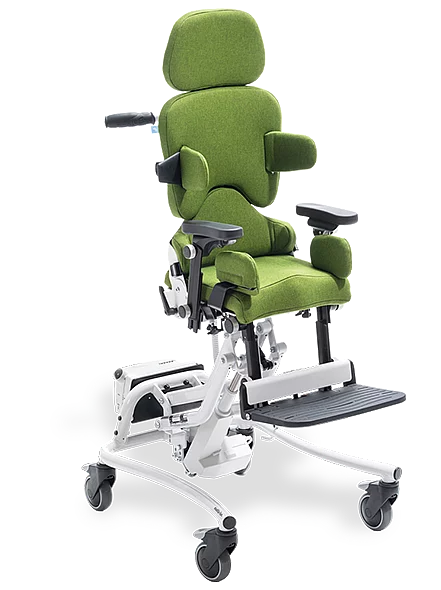
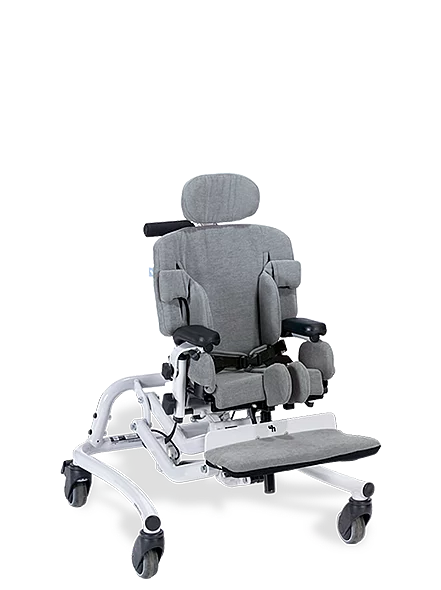
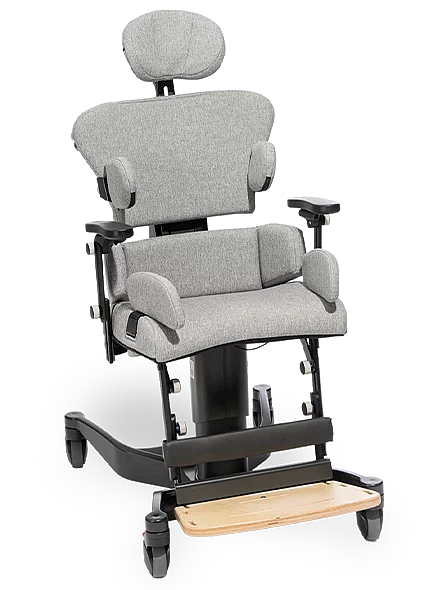
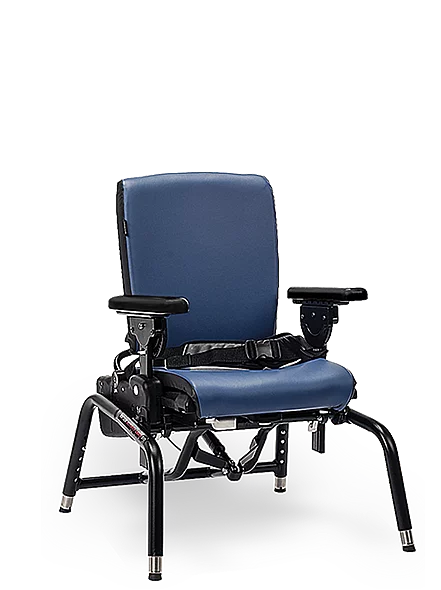
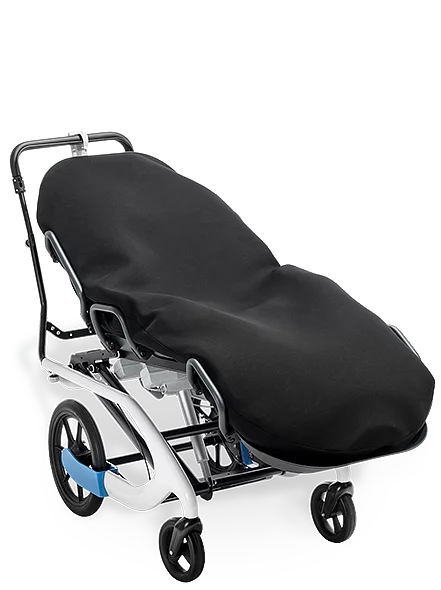
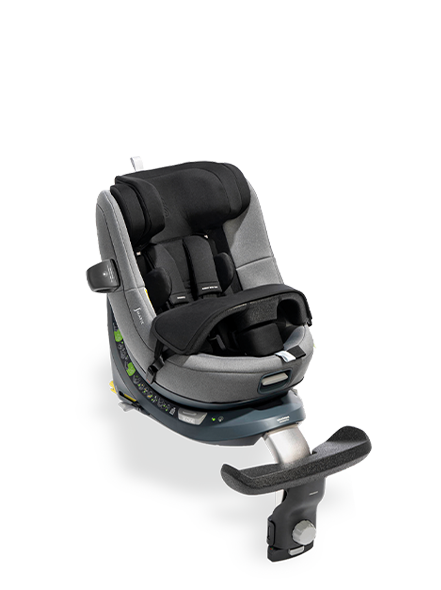
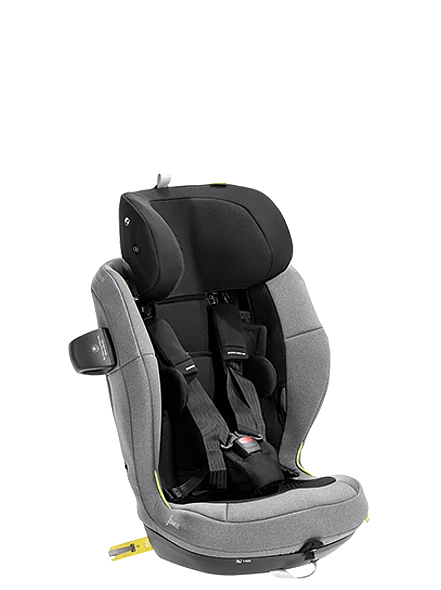
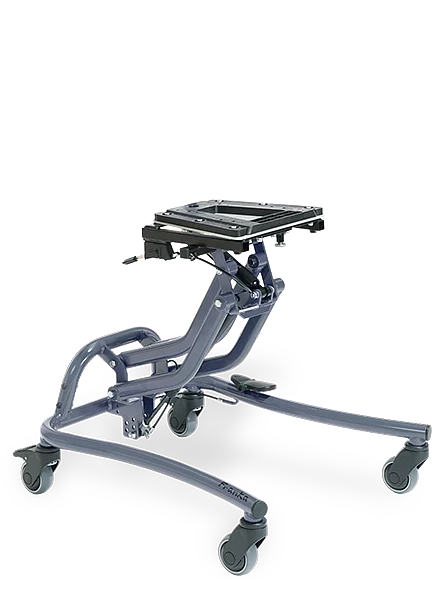
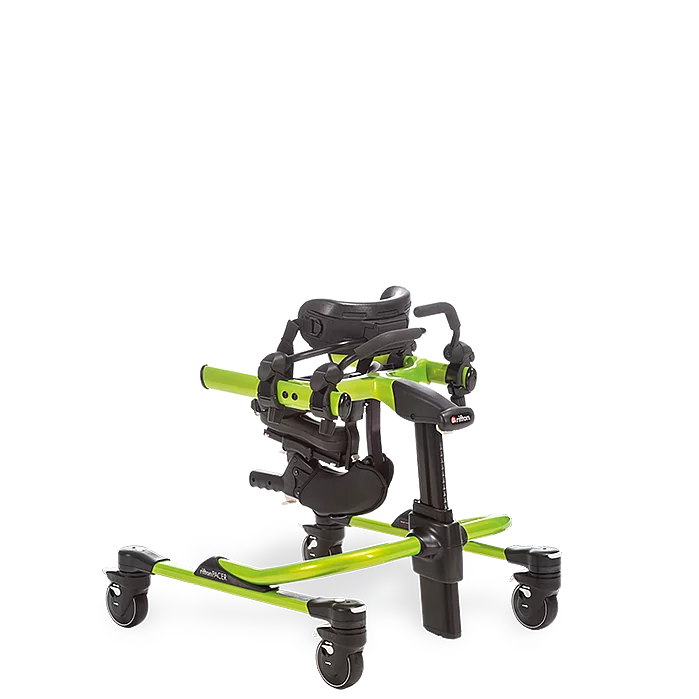
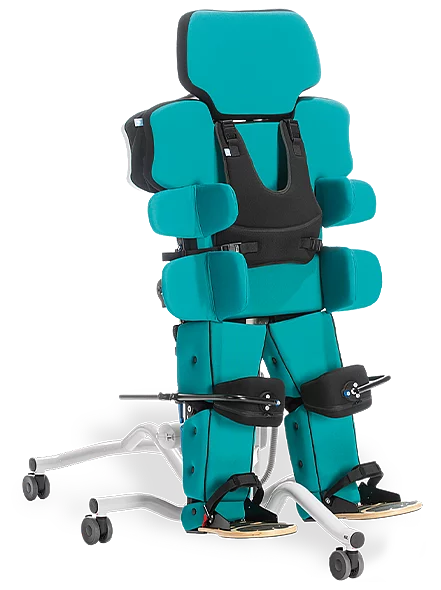
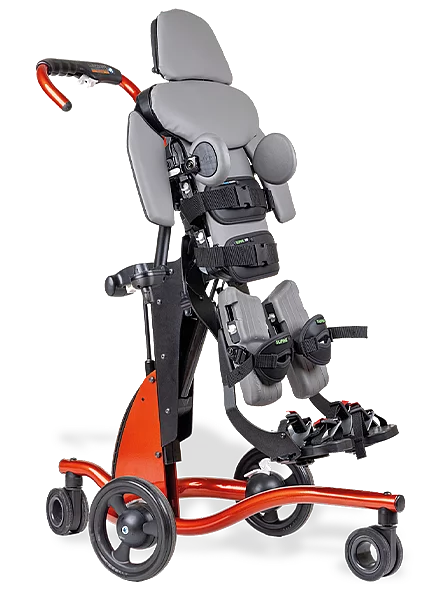
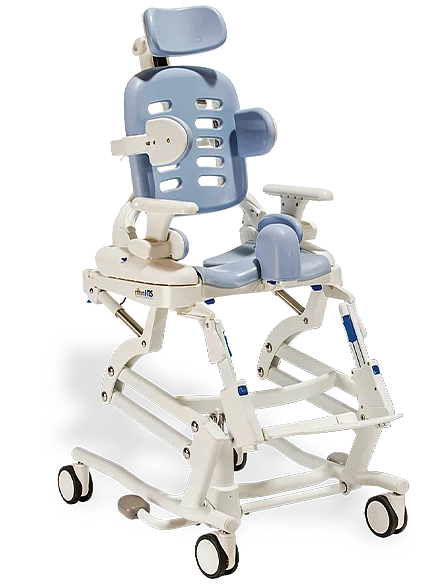
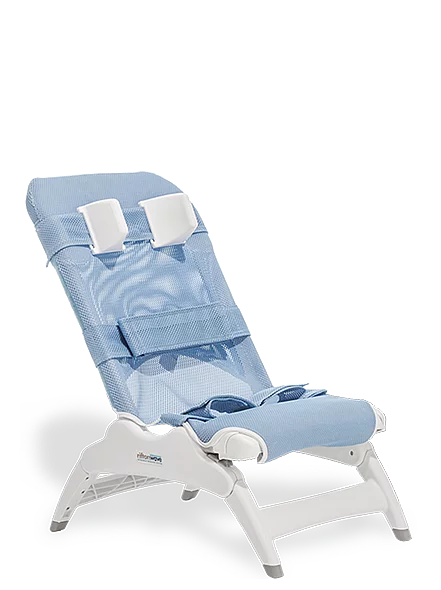
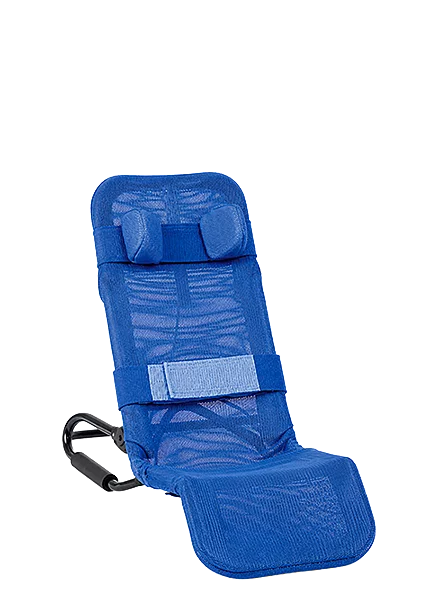
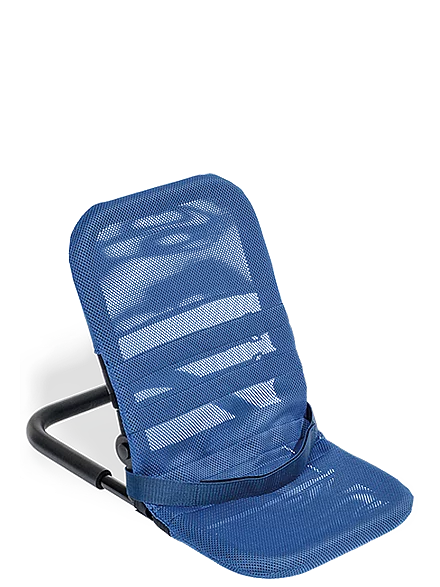










The leg guides on the rifton stander can be abducted.
The rifton stander is a versatile standing system for children and young people with disabilities. It supports therapeutic standing in various positions and can be individually adapted to suit posture, stability and treatment goals. In this way, it promotes upright posture, activation and participation in everyday life.
Documents Videos


This versatile aid combines several functions in a single device and offers flexible support in a variety of positions. It can be used in both the supine and prone positions, adapting individually to different requirements.
The standing trainer provides support from the front or the back, ensuring secure positioning at all times. This makes it suitable for a wide range of everyday and therapeutic applications.
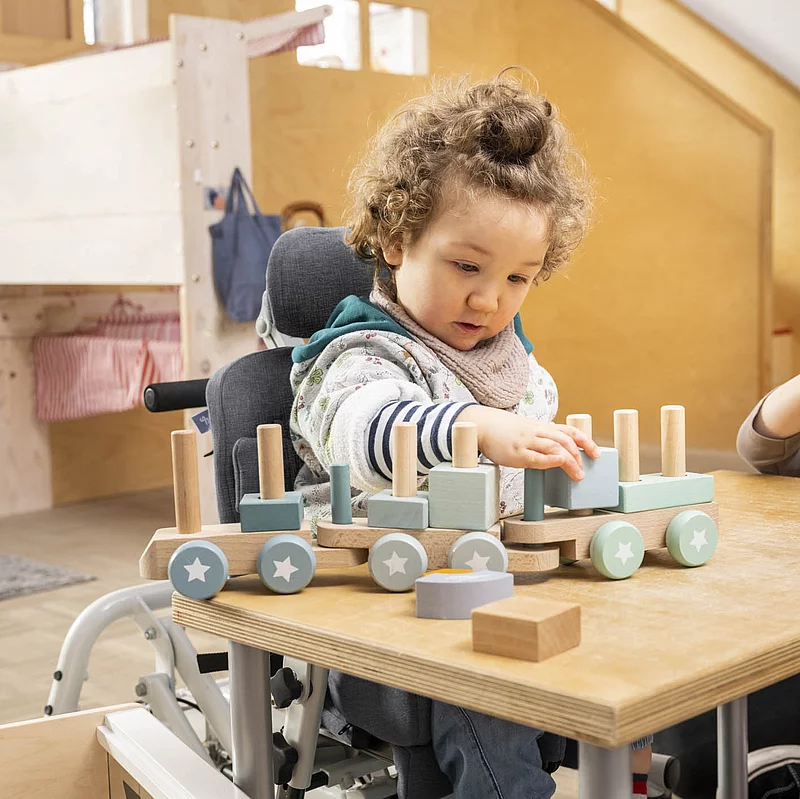
During standing training, the rifton stander enables interactions at eye level and supports active participation in shared play. At the same time, it ensures stability and safety in every position.

GMFCS:
Level IV–V

Intended use:
Indoor

Height:
71–165 cm

Load capacity:
Max. 84 kg
The leg guides on the rifton stander can be abducted.

The rifton stander offers a tilt range of 0°–90°.

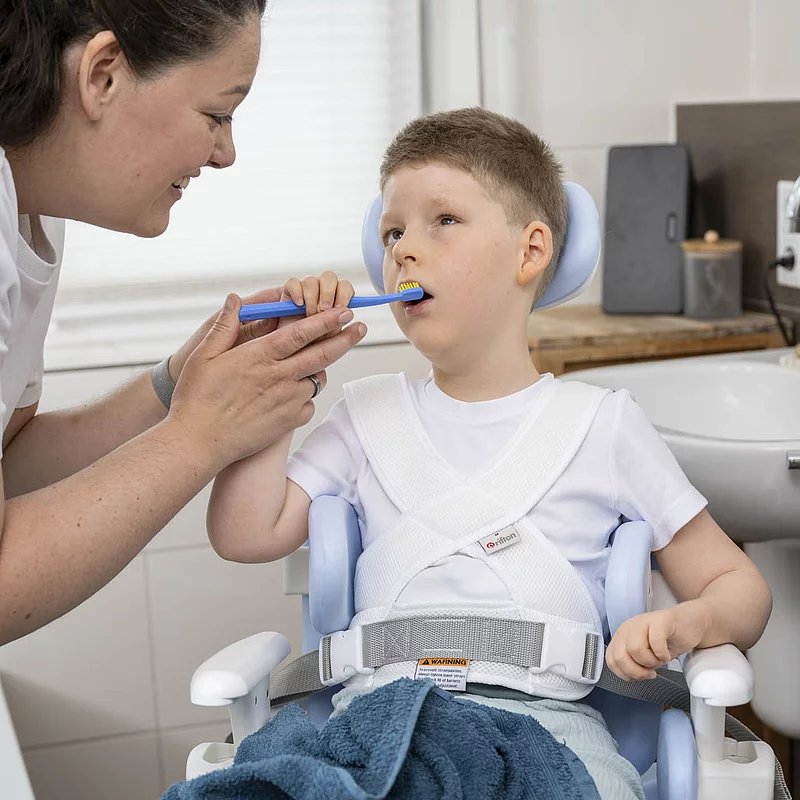
As well as a pelvic harness, the standing trainer features a chest strap. Both are available with optional rotation control.
Meaningfully informed.
Now download the product datasheets and documents and learn everything about the functions, dimensions and special features of the product – compact, clear and always at hand.
Catalogue rifton stander.
Stand: 01.2026 | Size: 468 KB
Pricelist rifton stander. supine
Stand: 08.2026 | Size: 700 KB
Instructions for use rifton stander.
Stand: 06.2024 | Size: 2 MB
In our guide and FAQ section, you’ll find helpful tips, answers to frequently asked questions and all the key information about our product. Clear, concise and easy to understand – so you’re always well informed.
till is a reclining system designed to assist with the transfer from a lying to a standing position, whereas the rifton stander is a multifunctional standing trainer for use in the prone, supine or multi-position configuration.
The rifton stander is particularly suitable for children and young people who are unable to stand unaided or with sufficient stability, but who would benefit from regular standing both therapeutically and in their everyday lives.
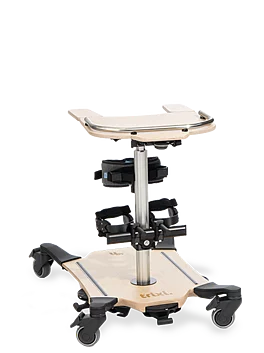
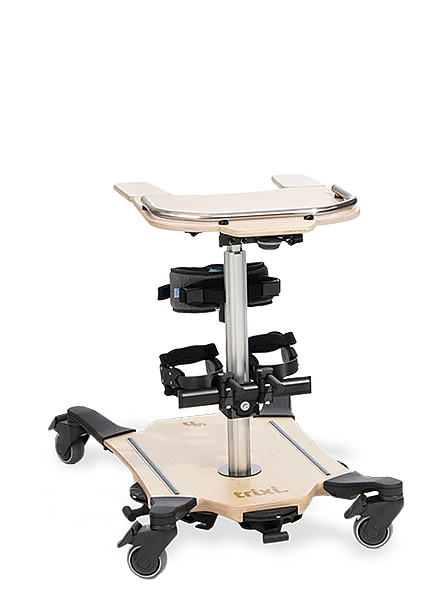
trixi.
Gives you flexibility.
I am your dynamic standing trainer. With me, you can comfortably explore your full range of movement.
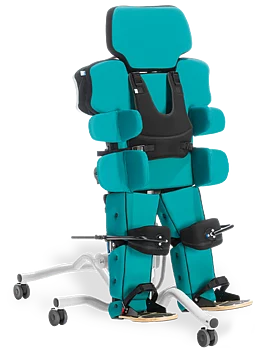
till.
Positions you well.
I am your adaptable supine standing frame and conform precisely to the contours of your body.
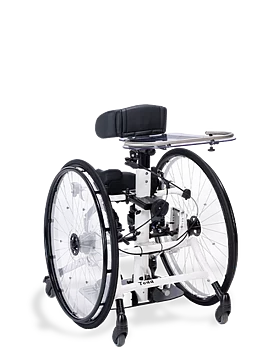
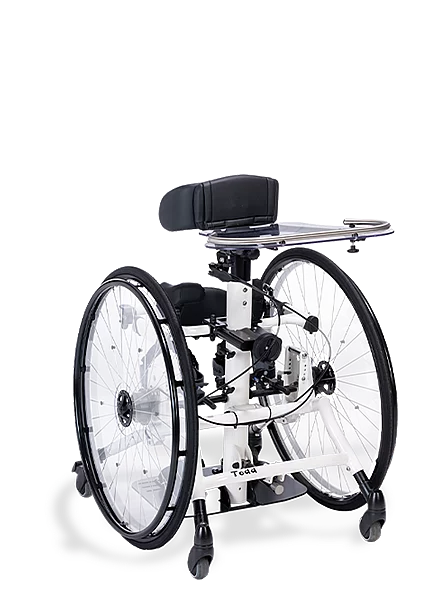
todd.
Looks good on you.
I am your manoeuvrable standing trainer. Using me, you can practice standing on your own two legs.
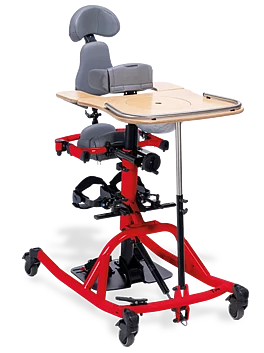
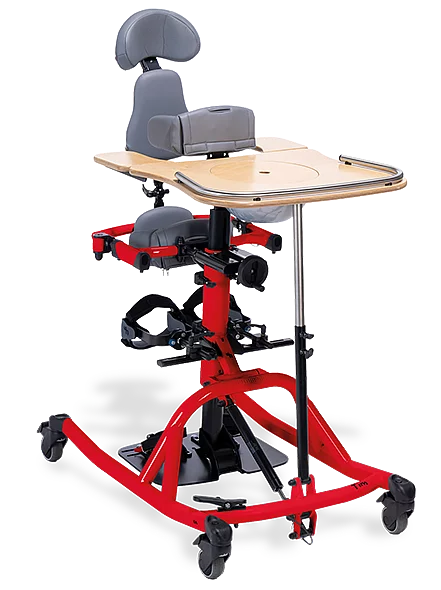
tim.
Stand up for yourself.
I am your personal standing trainer. Using me, you can practice standing on your own two feet.
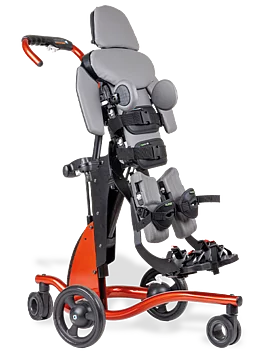
rifton stander.
Really extensive.
I am your versatile companion because with me you get support from the front or from behind.


